
Industry Insights
Understanding Psychic Reading Methods: A Complete Guide

The World of Psychic Reading Methods
Psychic reading encompasses a wide variety of practices, each with its own history, methodology, and strengths. Understanding the different approaches can help you choose the method that best suits your questions and comfort level.
Tarot Card Readings
Tarot is one of the most recognized forms of psychic reading. A standard tarot deck contains 78 cards divided into the Major Arcana (22 cards representing major life themes) and Minor Arcana (56 cards reflecting day-to-day events). During a reading, the advisor interprets the cards’ positions and relationships to each other to provide insight into your situation.
Astrology
Astrology examines the positions of celestial bodies at the time of your birth to create your natal chart. This chart reveals personality traits, life patterns, and potential opportunities or challenges. Astrologers can also look at current planetary transits to provide timing-specific guidance.
Clairvoyance and Clairsentience
Clairvoyant readers receive intuitive information through mental images or visions, while clairsentient readers sense information through feelings and emotions. These abilities allow advisors to perceive information beyond the five physical senses.
Numerology
Numerology explores the mystical relationship between numbers and life events. By analyzing numbers derived from your name and birth date, a numerologist can reveal insights about your personality, life path, and destiny.
Choosing the Right Method
There’s no single “best” method – the right choice depends on your personal preferences and what kind of guidance you’re seeking. Many experienced psychic advisors are proficient in multiple methods and can recommend the approach most likely to address your specific questions.
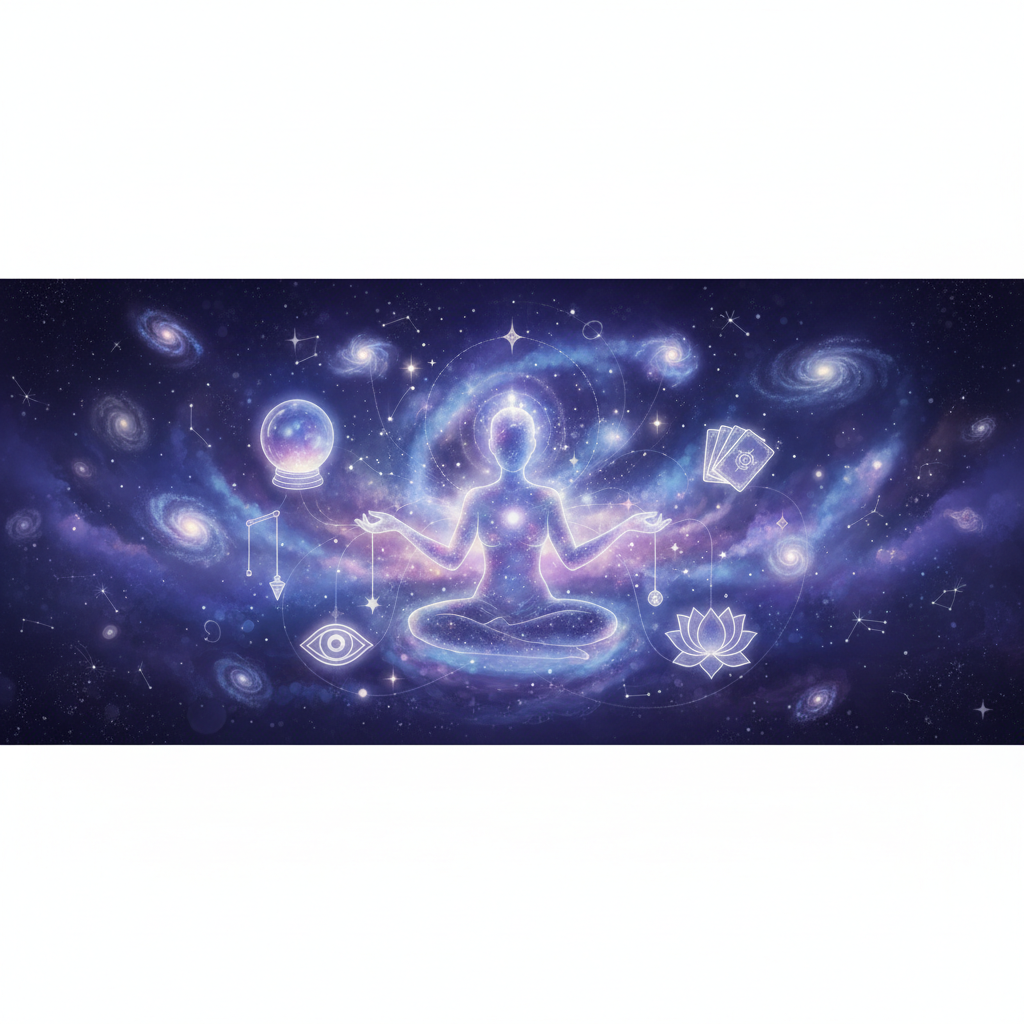
The Major Reading Methods Explained
Tarot, oracle cards, runes, scrying, mediumship, clairvoyance, channelling, astrology, numerology, palmistry – each method is essentially a structured way for a sensitive person to access information that isn’t available through ordinary observation. The method is the language; the reader is the translator.
Tarot uses a 78-card deck with a defined symbolic vocabulary. The cards don’t predict so much as describe the energy and likely trajectory of a situation. Oracle decks are more freeform – each deck has its own theme and feel, and they often work well for emotional and intuitive guidance. Runes use 24 ancient Germanic symbols and tend to feel earthy, practical, and decision-focused.
Mediumship is specifically about communicating with people who have crossed over. Clairvoyance, clairaudience, and claircognizance describe seeing, hearing, and knowing without external props. Astrology reads the unique sky-snapshot of your birth as a personality and timing map. Numerology works in cycles based on your birth date and name.
Which Method for Which Question?
- Career direction: astrology (especially transits) and tarot work well together.
- Love and relationships: tarot, oracle cards, and clairvoyant readings tend to give the richest detail.
- Connecting with someone who has passed: mediumship is the right tool – other methods can sense their energy but won’t bring through specific memories.
- Timing of an event: astrology and numerology are strongest here; tarot is more atmospheric than precise.
- A simple yes/no: a pendulum or runes are designed for binary clarity.
Why Different Readers Use Different Tools
Most professional readers settle into one or two methods over years of practice. The deck or technique becomes an extension of their awareness – the way a translator becomes fluent in a language rather than constantly reaching for a dictionary. When a reader has worked with a tarot deck for fifteen years, they’re not really “reading the cards” any more; they’re using the cards as a familiar handhold while they read you.
That depth of practice is part of why session quality varies. The same method, with two different readers, will land very differently. The tool matters; the practitioner matters more.
How to Choose Your First Method
If you’re new, tarot is a forgiving starting point. The structure of the cards gives the conversation shape, and the imagery gives both you and the reader something concrete to talk about. From there, you can experiment – try a mediumship reading if you’re grieving, an astrology session if you’re at a crossroads, an intuitive clairvoyant reading when you want pure energetic insight without props. Over time, you’ll know which methods feel like home.
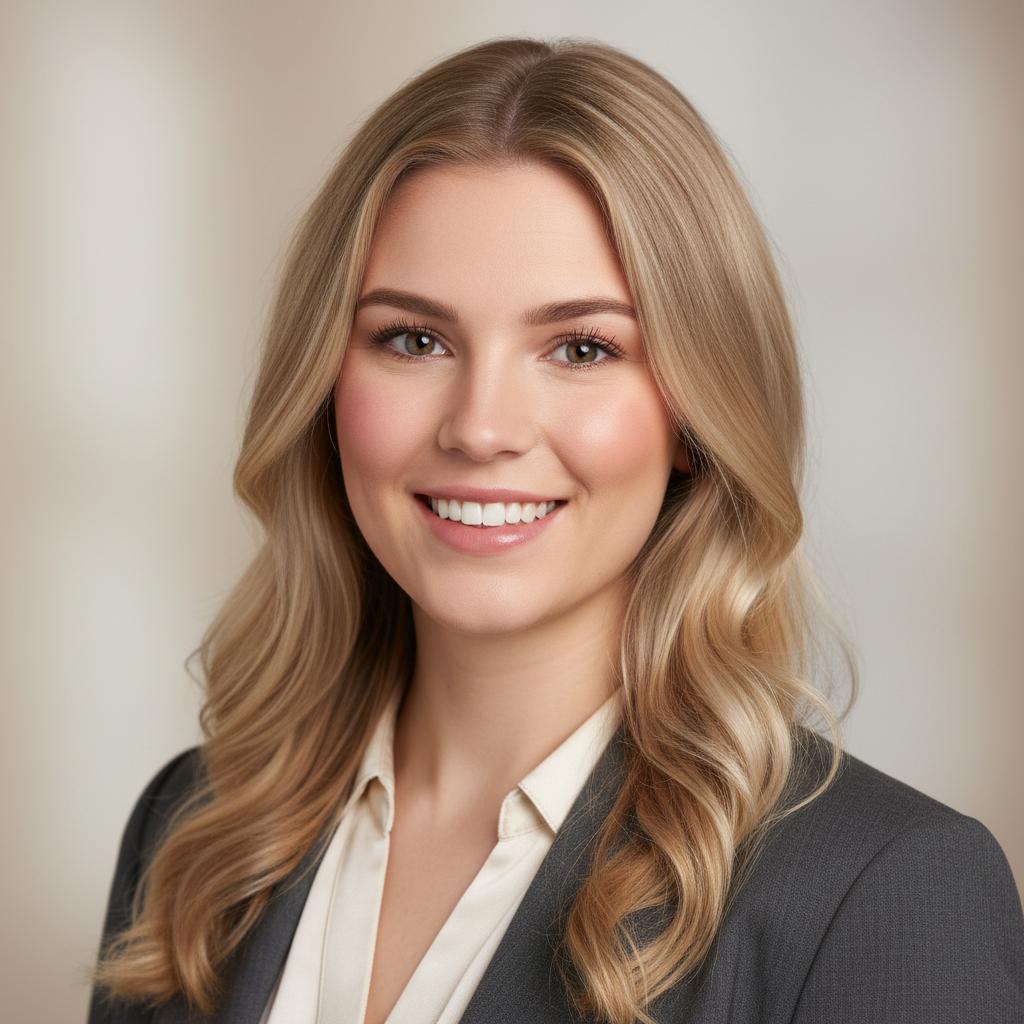
Written by Isabella Reyes
Isabella Reyes is a tarot reader and intuitive counselor who has practiced professionally for over a decade. Her readings focus on love, life direction, and spiritual growth, and she writes about tarot practice and intuitive guidance for the Free Psychic blog.
Talk to a Specialist — First Minutes Are FREE
New to Free Psychic? Every advisor below offers introductory free minutes so you can test the connection before any paid time begins.

Percival Sinclair
First 3 minutes FREE
$6.48/min
after free minutes

Sage Hollow
First 3 minutes FREE
$2.40/min
after free minutes

Ivy Wilde
First 3 minutes FREE
$1.90/min
after free minutes

Marcus Linden
First 3 minutes FREE
$4.32/min
after free minutes
← Previous Article
How to Choose the Right Psychic Advisor for Your NeedsNext Article →
The Role of Intuition in Everyday Decision Making